Oral Conscious Sedation for Children’s Dentistry in Lehi, Utah
What Oral Conscious Sedation Is
Oral conscious sedation is a pediatric dental sedation method in which a child takes medication by mouth before treatment to help them feel calm, relaxed, and less aware of dental stimulation while remaining awake and responsive. Unlike general sedation, oral conscious sedation does not put a child fully to sleep — its purpose is to reduce fear, anxiety, and movement so treatment can be completed safely and comfortably.
When Oral Conscious Sedation Is Typically Recommended
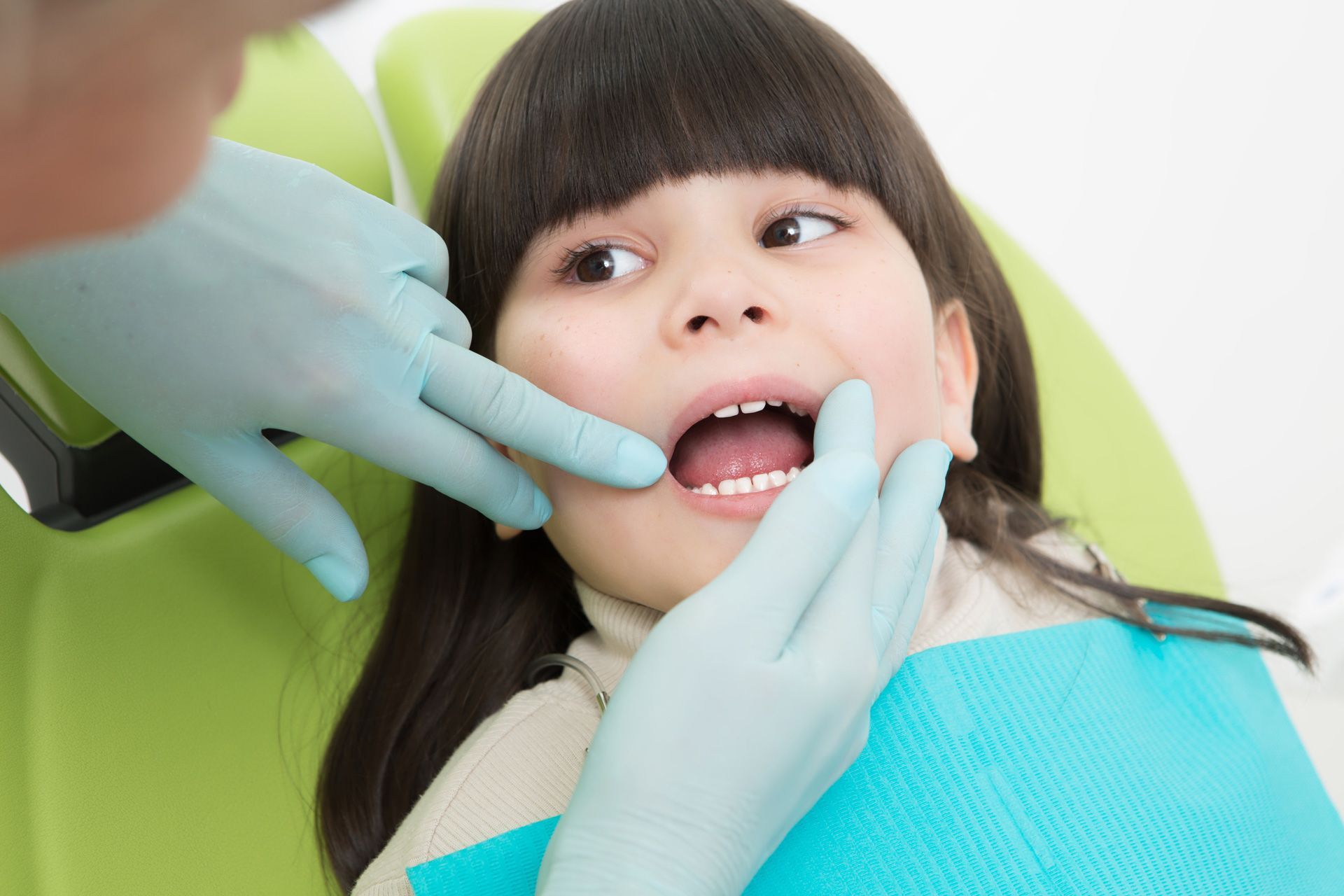
Oral conscious sedation is not used for routine cleanings or minor procedures. It is recommended when a child needs more relaxation than nitrous oxide alone can provide, but does not require IV or general sedation. It is often chosen for children who experience heightened anxiety, difficulty tolerating dental work, or distress during longer or more sensitive procedures.
How Oral Conscious Sedation Differs From Other Sedation Options
Parents often compare oral conscious sedation with lighter and deeper sedation approaches. These distinctions help clarify when it may be appropriate.
Compared to nitrous oxide
Nitrous oxide provides mild relaxation during treatment, while oral conscious sedation produces a deeper calming effect that begins before the appointment.
Compared to IV sedation
IV sedation can be adjusted throughout treatment, while oral conscious sedation uses pre-measured medication with effects that develop gradually.
Compared to general sedation
Oral conscious sedation keeps a child awake but deeply relaxed, while general sedation places the child fully asleep under anesthesia.
Situations Where Oral Conscious Sedation Is Especially Helpful
Oral conscious sedation is commonly considered in real-world pediatric dental situations where anxiety or overstimulation interferes with treatment. Dentists may recommend it when:
- A child becomes highly anxious or tearful during dental visits
- Cooperation is limited even with reassurance or behavioral guidance
- A pronounced gag reflex prevents comfortable treatment
- Previous visits were stressful or incomplete
- A procedure is expected to take longer than a typical appointment
- The child benefits from a calmer, less overwhelming experience
The goal is not to “force cooperation,” but to support safe, predictable, and emotionally stable treatment.
How Dentists Determine Whether Oral Conscious Sedation Is Appropriate
Oral conscious sedation is recommended only after a safety-based evaluation.
- The child’s medical history and current health are reviewed
- Medications, allergies, and past sedation responses are discussed
- The type and length of dental treatment are assessed
- The child’s anxiety level and ability to cope are evaluated
- The safest and least invasive sedation option is selected
If oral conscious sedation is not the best fit, an alternative method is discussed with parents.
What Happens During an Appointment With Oral Conscious Sedation
Oral conscious sedation follows a structured clinical process to maintain comfort and monitoring throughout care.
- Sedation medication is given before treatment, allowing time for it to take effect
- The child is monitored while relaxation gradually increases
- Dental treatment begins once an appropriate sedation level is reached
- Vital signs, comfort, and responsiveness are observed throughout the procedure
- The child remains under supervision during recovery before discharge
Treatment is paced to match the child’s sedation response and safety status.
What Parents Should Expect With Oral Conscious Sedation
Oral conscious sedation creates a relaxed, drowsy, and calm state while allowing a child to breathe independently and respond to verbal cues. Children may appear sleepy, quiet, or slow to react, and may remember little of the appointment. The intention is to reduce fear and discomfort — not to fully remove awareness or control.
Safety and Monitoring During Oral Conscious Sedation
Oral conscious sedation is administered only when appropriate for the child’s health profile. During treatment, monitoring may include breathing, oxygen saturation, heart rate, responsiveness, and overall comfort. Dosing is based on the child’s weight and medical history, and parents receive clear preparation and post-sedation guidance.
Recovery and After-Visit Expectations
Most children feel drowsy or sleepy for several hours after oral conscious sedation and should rest under adult supervision for the remainder of the day. Eating and activity instructions are provided, and temporary unsteadiness, mild nausea, or forgetfulness may occur. Parents are given clear instructions for when to contact the office with concerns.
Frequently Asked Questions
Will my child be asleep during oral conscious sedation?
No — your child remains awake but deeply relaxed and less aware of stimuli.
How long does oral conscious sedation last?
Effects may last several hours and typically wear off the same day.
Can oral conscious sedation completely eliminate anxiety?
It significantly reduces anxiety, but some children may still need reassurance or support.
Is oral conscious sedation safe for children?
Yes — when properly evaluated, dosed, and monitored by trained providers.
Will my child remember the appointment?
Some children remember little or none of the visit, while others recall parts of it.
Schedule an Oral Conscious Sedation Consultation in Lehi, Utah
If your child struggles with dental anxiety or has difficulty completing treatment comfortably, oral conscious sedation may be an appropriate option. Lehi Pediatric Dentistry provides oral conscious sedation for children’s dental care in Lehi, Utah with individualized evaluation and careful monitoring. Call (801) 766-5557 to schedule a consultation.