Why the Timing of Cleanings Matters for Kids
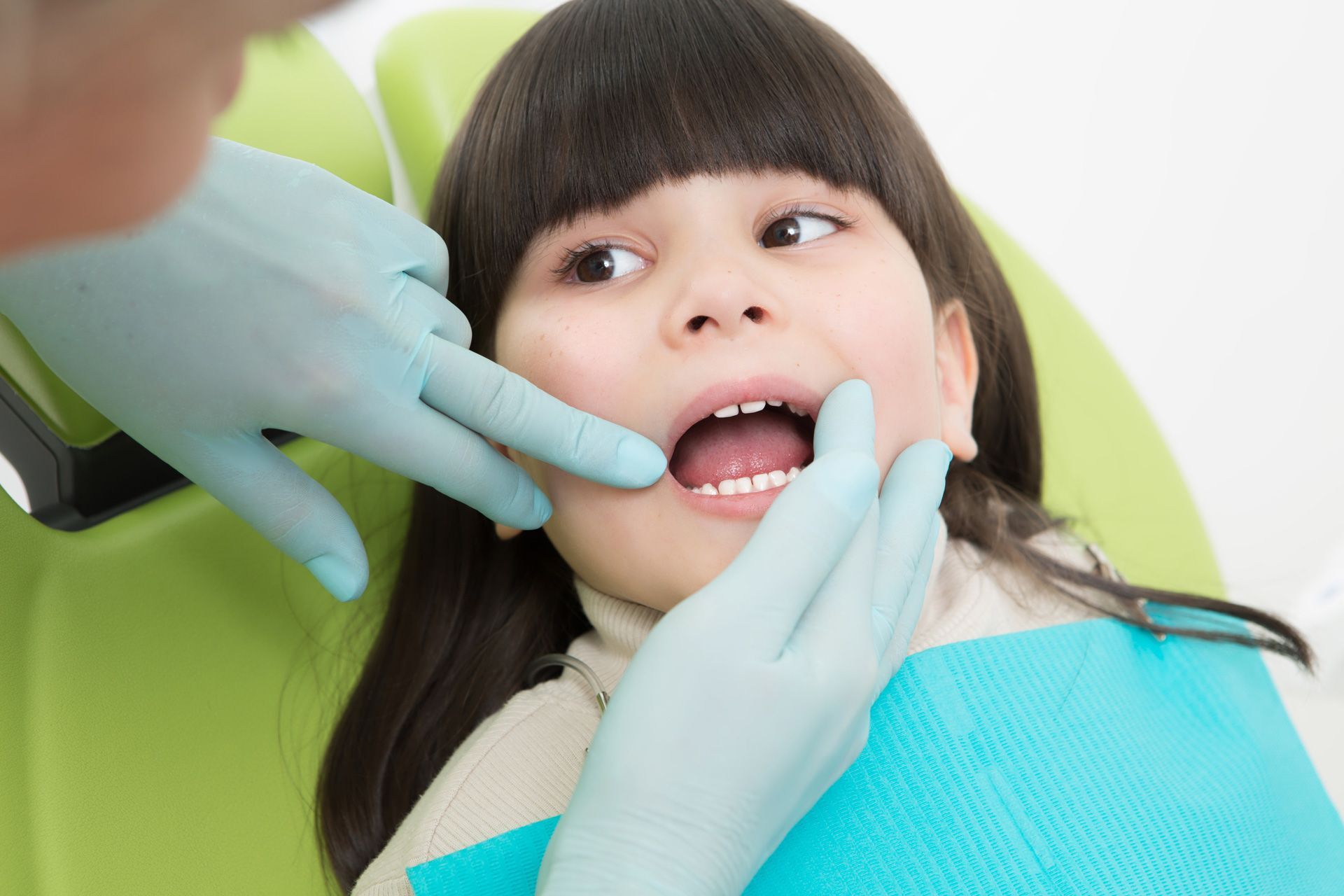
Children’s teeth are constantly developing — and with that growth comes the risk of cavities, plaque buildup, and early gum issues. Regular dental cleanings help prevent these problems before they begin. But how often is enough? And can too many cleanings be unnecessary?
For families in Lehi, Utah, this is a common question — especially for parents booking that very first visit or managing multiple kids’ dental routines. This guide walks through how often kids should get their teeth cleaned, what influences the timing, and how dentists determine the right schedule based on your child’s unique needs.
Standard Cleaning Schedule for Children
The
general guideline recommended by pediatric dentists and major dental associations is:
Every 6 months, starting as early as the child’s
first birthday or first tooth.
This biannual schedule allows for:
- Early detection of tooth decay
- Routine removal of plaque and tartar
- Guidance on brushing, flossing, and nutrition
- Monitoring of baby teeth and spacing for permanent teeth
Most insurance plans — including Medicaid and private carriers — also base their benefits on two preventive cleanings per year.
Factors That May Affect Cleaning Frequency
While the “every 6 months” rule is a solid standard, there are several situations where a dentist may recommend more or fewer cleanings.
1. Age and Developmental Stage
- Infants and toddlers may need only one visit per year, focused more on monitoring and education.
- Once a child has most of their baby teeth, a regular 6-month schedule becomes more important.
2. Cavity Risk Level
- Children with a history of cavities or poor oral hygiene may benefit from
cleanings every 3–4 months.
- Kids with very low cavity risk may be able to safely maintain the standard 6-month interval.
3. Orthodontic Treatment
- Braces and appliances can trap food and bacteria, making it harder to clean teeth.
- More frequent cleanings may be needed to prevent decay and gum issues.
4. Medical Conditions or Medications
- Conditions like diabetes or medications that reduce saliva can increase decay risk.
- Your child’s dentist may adjust the cleaning frequency to match those health factors.
5. Sensory Sensitivities or Anxiety
- Some children may need gradual exposure with shorter, more frequent appointments to build comfort with cleanings
Signs Your Child May Need a Cleaning Sooner
Even between regular checkups, there are signs to watch for that may indicate your child needs to see the dentist earlier than scheduled:
- Visible plaque or yellow buildup on teeth
- Bleeding during brushing or flossing
- Complaints of bad breath that won’t go away
- Sensitivity to cold, sweet, or pressure
- Dark spots on baby teeth or gums
- Loose fillings or discomfort with chewing
Early visits can prevent minor issues from turning into bigger problems — and sometimes a quick polish or check-in is all that’s needed.
How Dentists in Lehi, Utah Customize Cleaning Schedules
Pediatric dentists don’t use a one-size-fits-all approach. When you bring your child to a local provider like
Lehi Pediatric Dentistry, the cleaning schedule is adjusted based on:
- Your child’s
age and stage of development
- Their
oral hygiene habits at home
- History of
cavities or dental work
- Dietary habits (e.g., sugar intake, snacking)
- Parental concerns or behavioral needs
Local clinics in Lehi often also consider seasonal factors, such as scheduling cleanings before the school year or holidays when routines tend to change.
FAQs — What Parents Often Ask About Cleaning Frequency